ԵՐԿԻՐ, ՈՐՏԵՂ ՈՉ ՄԻ ՍՈՒՐ ԲԱՆ ՉԿԱ
Ջանի Ռոդարի
Անբան Ջովանինոն շատ էր սիրում ճամփորդել: Ճամփորդեց-ճամփորդեց, ու հայտնվեց մի երկրում, որտեղ ոչ մի սուր բան չկար: Տներն այդ երկրում կառուցված էին առանց սուր անկյունների, դրանք կլոր էին: Շենքերի տանիքներն էլ էին կլոր: Ճանապարհին, որով քայլում էր Ջովանինոն, թփերի ու վարդերի պուրակ կար: Ջովանինոն ցանկացավ վարդով զարդարել իր բաճկոնը: Նա փորձեց զգուշությամբ պոկել վարդը, որ մատը չծակի, բայց հանկարծ նկատեց, որ փշերը չեն էլ ծակում: Պարզվում է, դրանք բոլորովին էլ սուր չեն, պարզապես ձեռքդ մի քիչ խուտուտ են տալիս:
_ Այ քեզ հրա՜շք,-զարմացավ Ջովանինոն:
Հենց այդ պահին վարդի թփերի ետևից հայտնվեց քաղաքի պարեկը և քաղաքավարի ժպտալով՝ ասաց Ջովանինոյին.
_ Դուք երևի չգիտեք, որ չի կարելի վարդ քաղել:
_ Ներեցե՛ք ինձ … ես չմտածեցի, որ…
_ Այդ դեպքում Դուք պետք է վճարեք տուգանքի կեսը,-ասաց պարեկը նույն հաճելի ժպիտով և սկսեց անդորրագիր գրել: Ջովանինոն հանկարծ նկատեց, որ պարեկի գրչածայրը սուր չէ, բութ է: Նա հարցրեց պարեկին.
_ Ներեցե՛ք, կարելի՞ է Ձեր թուրը տեսնել:
_ Խնդրեմ ,-ասաց պարեկը և Ջովանինոյին տվեց իր թուրը: Պարզվեց, որ թուրն էլ սուր չէ, բութ է:
_ Լավ, էս ի՞նչ զարմանալի երկիր է, էս ո՞ւր եմ ընկել: Այստեղ ամեն ինչ տարօրինակ է:
_ Մեր երկրում ոչ մի սուր բան չկա,-բացատրեց պարեկը այնքան քաղաքավարի, որ ամեն մի բառը կարելի էր մեծատառով գրել:-Բա՛, վաղուց արդեն առանց մեխերի ենք յոլա գնում:
_ Մեխե՞ր,-հարցրեց Ջովանինոն,-չէ ՞ որ դրանք պետք է սուր լինեն:
_ Մենք վաղուց արդեն առանց մեխերի ենք յոլա գնում: Չէ՞ որ սոսինձ կա: Իսկ հիմա բարի եղեք ինձ երկու անգամ ապտակել:
Ջովանինոյի բերանը զարմանքից բաց մնաց, կարծես պատրաստվում էր միանագամից մի մեծ տորթ կուլ տալ:
_ Ո՜չ, ի՜նչ եք ասում, ես չեմ ուզում հայտնվել բանտում քաղաքի պարեկին վիրավորելու համար: Եթե այդպես է, ե՛ս պետք է երկու ապտակ ստանամ, ոչ թե դուք:
_ Դուք երեևի չգիտեք, մեզ մոտ այդպես է ընդունված,-սիրով բացատրեց պարեկը,-լրիվ տուգանքը՝ չորս ապտակ, տուգանքի կեսը՝ երկու,-պատասխանեց պարեկը:
_ Երկու ապտակ՝ պարեկի՞ն:
_ Պարեկին:
_ Դա արդար չէ: Այդպես չի՛ կարելի:
_ Իհարկե արդար չէ: Իհարկե՝ այդպես չի կարելի,-պատասխանեց պարեկը:-Դա այնքան անարդար և սարսափելի է, որ մարդիկ օրենքները չեն խախտում, այնպիսի բաներ չեն անում, որի համար տուգանք պիտի մուծվի. նրանք ամեն ինչ անում են, որ չապտակեն անմեղ պարեկներին: Դե՛, ես սպասում եմ. տվեք ինձ երկու ապտակ և մյուս անգամ ավելի զգույշ կլինեք:
_ Բայց ես չեմ ուզում նույնիսկ Ձեր այտը ճմկտել, ուր մնաց՝ ապտակեմ:
_ Այդ դեպքում ես պիտի խնդրեմ, որ գնաք մեր երկրից: Ես կուղեկցեմ Ձեզ մինչև սահման:
Ջովանինոն, որ շատ էր ամաչում, ստիպված հեռացավ այն երկրից, որտեղ ոչ մի սուր բան չկար: Ինչ էլ լինի, մեկ է, մինչև հիմա նա երազում է վերադառնալ այնտեղ, որ ապրի աշխարհի ամենաքաղաքավարի օրենքներով և ամենադաստիարակված մարդկանց հետ, մի քաղաքում, որտեղ ոչ մի սուր բան չկա:
Հարցեր և առաջադրանքներ։
- Տեքստից դու՛րս բեր անծանոթ բառերը և բացատրությունը գրիր օնլայն բառարանի միջոցով։Պարեկ- Պարող, պար եկող մարդ, անդորագիր-թուղթ որը,որ լրացնում են:
- Դու՛րս գրիր կարմիրով նշած բառերը և կազմիր դրանց հոգնակին։ երկրում-երկրներ , բան-բաներ,պուրակ-պուրակներ,բաճկոն-բաճկոններ,վարդ-վարդեր,մատ-մատներ,քաղաքի-քաղաքների,անդորագիր-անգորագրեր, թուրը-թրերը,տորթ-տորթեր,տուգանք-տուգանքներ,ապտակ-ապտակներ: Տեքստից դուրս բեր ի՞նչ հարցին պատասխանող 7 բառ, դրանց ավելացրու հատկանիշ(ինչպիսի՞) ցույց տվող բառ և կազմիր նախադասություն, օրինակ՝Շենք-բարձրահարկ: Լոնդոնի շենքերը բարձրահարկ են: Տորթ-համեղ:Այս տորթը շատ համեղ է:Ապտակ-ցավոտ:Իմ ապտակը շատ ցավոտ է: Սոսինձ-սպիտակ:Նրանք սպիտակ սոսնձով բացիկներ էին փակցնում:Տանիք-ամուր:Շինարարները շենի վրա կառուցում են ամուր տանիք: Աշխարհ-խաղաղ:Ես ուզում եմ ապրել խաղաղ աշխարհում: Մատ-ճկուն:Վաչեն ունի ճկուն մատներ:
վարդ-կարմիր վարդ
Կարմիր վարդերի փունջն իսկական անակնկալ էր։
- Ի՞նչ կլիներ, եթե մեր երկրում էլ բոլոր սուր բաները վերանային:Եթե սուր դանակները վերանային,չենք կարող միս կտրատել,եթե մկրատները վերանային վարսավիրները չէին կարող մեր մազերը կտրել:
- Ինչպիսինն էր պարեկը։Պարեկը հսկում էր տարածկը և եթե տեսնում էր,որ վարդ են քաղում,տուգանում էր, բայց նա բարի էր:
- Ինչու՞ Ջովանին զարմացավ։Ջովանին զարմացավ ,որովհետև այդ երկրում ոչ մի սուր բան չկար:
- Գրի՛ր փոքրիկ նամակ Ջավանիին։Բարև՛, Ջովանի:Ես Արենն եմ:Ես էլ եմ շատ սիրում ճամփորդել:ինձ հետաքրքիր է, թե դու ինչպես ես հայտնվել այդտեղ ՝ մեքենայո՞վ,տիեզերանավո՞վ, թե ինքնաթիռով:
русский язык

А) 3.
Б) 2.
В) 4.
Г) 5.
English
Once a sailor went ashore on the coast of South America. He had a number of blue woollen caps with him, which he wanted to sell. On his way to the town some distance from the coast, he had to pass through a forest in which there were great numbers of monkeys. At noon, with the sun directly overhead and the heat intense, the sailor decided to take a rest. He lay down under the shade of a large tree, took one of the caps, put it on his head, and soon fell asleep.
When he awoke, he found, to his surprise, that the caps were all gone! Soon he heard a loud noise among the thick branches above him, and he looked up. He saw the trees alive with monkeys, and on the head of each monkey was a blue woollen cap! The monkey had watched his actions, had stolen his caps while he slept and had put them on, and now they did not pay any attention to his shouts.
When the sailor saw that he could not get his caps back, he pulled off the one that he had on his head and threw it on the ground, crying out, “If you want to keep the rest, you may take this one too!” To his great surprise, the little animals did the same. Each took the cap off its head and threw it on the ground. The sailor got his caps back and went away in triumph.
1. There were a lot of monkeys.
a) at some distance from the forest
b) in the wood not very far from the coast
c) on the coast of South America
2. What did the sailor decide to do at noon?
a) to try on one of the woollen caps
b) to take off his cap as it was very hot
c) to lie down and rest
3. What did the sailor see when he woke up?
a) The monkeys were wearing his caps.
b) His companions had all gone.
c) There were a lot of birds singing in the trees.
4. Seeing that he could not take the caps back, the sailor
a) sat down and began to cry
b) thought that it was a funny sight and laughed heartily
c) thought that he could never have the caps back
5. What did the little monkeys do?
a) They repeated the sailor’s actions.
b) They were touched by the sailor’s tears and returned the caps.
c) They took the cap off the sailor’s head.
English
1. Tenses
1. Which sentence is grammatically correct?
A) I have seen him yesterday.
B) I saw him yesterday.
C) I was seeing him yesterday.
D) I had seen him yesterday.
2. By the time we arrived, they _______ dinner.
A) finished
B) were finishing
C) had finished
D) have finished
2. Conditionals
3. If you _______ earlier, you wouldn’t have missed the train.
A) leave
B) left
C) had left
D) will leave
4. If I _______ enough money, I would buy a new car.
A) have
B) had
C) will have
D) would have
3. Modal Verbs
5. You _______ eat so much fast food. It’s not healthy.
A) should
B) must
C) can
D) may
6. Which sentence expresses a strong obligation?
A) You should finish your homework.
B) You must finish your homework.
C) You might finish your homework.
D) You could finish your homework.
4. Passive Voice
7. The cake _______ by my grandmother yesterday.
A) made
B) was made
C) is made
D) makes
8. The book _______ in 1995.
A) wrote
B) is written
C) was written
D) has written
5. Relative Clauses
9. The person _______ invented the telephone was Alexander Graham Bell.
A) who
B) which
C) whose
D) what
10. This is the house _______ I grew up.
A) where
B) who
C) which
D) what
6. Reported Speech
11. She said, “I am learning Spanish.” → She said she _______ Spanish.
A) was learning
B) is learning
C) has been learning
D) learns
12. My teacher asked me, “Did you complete your assignment?” → My teacher asked me if I _______ my assignment.
A) complete
B) had completed
C) have completed
D) was completing
7. Phrasal Verbs
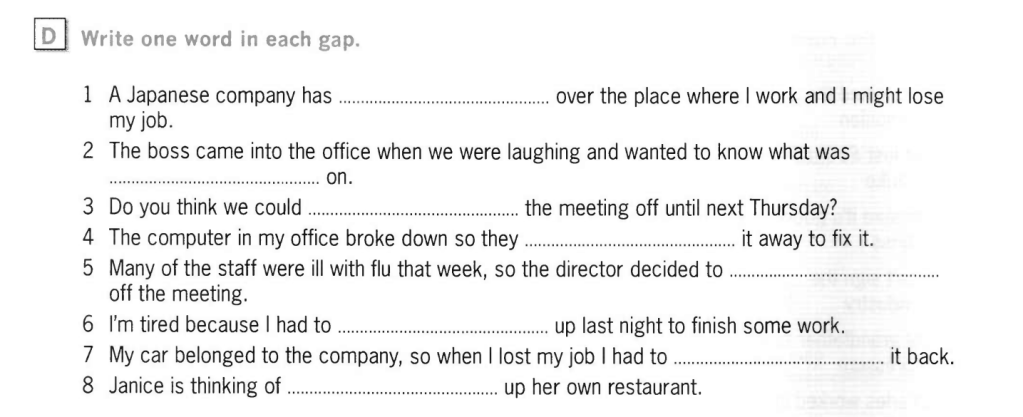
13. I need to _______ early tomorrow for my trip.
A) set up
B) set off
C) set out
D) set in
14. Which phrasal verb means “to cancel”?
A) Call off
B) Call out
C) Call back
D) Call up
8. Miscellaneous Grammar
15. I wish I _______ more time to travel.
A) have
B) had
C) will have
D) has
16. Choose the correct form:
She is interested _______ learning new languages.
A) on
B) in
C) at
D) to
17. I regret _______ him about my plans.
A) tell
B) told
C) to tell
D) telling
18. We arrived _______ the station just in time to catch the train.
A) at
B) in
C) on
D) to
19. She is very good _______ playing the piano.
A) at
B) in
C) on
D) with
20. The meeting was postponed _______ next week.
A) to
B) until
C) for
D) by
Complete the sentences with JUST , ALREADY or YET .
- Has Morris finished his studies yet ?
- My brother has already bought a new car but he hasn’t driven it yet.
- Maria has just phoned from Italy. I spoke to her a few minutes ago.
- Have you had lunch already?
- I can’t go to Spain. I have already booked two tickets for Italy. I booked them a few months ago.
- Have you already seen the new James Bond film ?
- The concert will start in two hours but the singers haven’t arrived yet.
- Another postcard ! I’ve already had six from him.
- Congratulations ! You just have won a trip to New York.
- The group has already visited two museums today, so they don’t want to go to another one.
- I have been to Norway yet but I haven’t been to Sweden .
- I’ve just come home from Frankie’s place, but there was nobody at home.
- We have already tried to contact her twice. There’s no point in trying again.
- Has your new boyfriend met your parents yet ?
Review of all intermediate verb tenses (CEFR B1)
Exercise 1
Choose the correct verb tenses to complete the sentences below.
1I _____ anything about the night of the accident.
A. don’t remember
B.‘m not remembering
C.wasn’t remembering
2After we broke up, she sold the ring that I _____ her for her birthday.
A.give
B.was giving
C.had given
3We _____ our website.
A.recently renewed
B.are recently renewing
C.have recently renewed
4We took off our clothes and _____ into the river.
A.were jumping
B.had jumped
C.jumped
5A: You look fitter! B: Yes, I _____ at the gym for the last few months.
A.‘m working out
B.‘ve been working out
C.work out
6I’m pretty sure printed books _____ one day.
A.are disappearing
B.are going to disappear
C.will disappear
7Look at the traffic. We _____ late.
A.are going to be
B.will be
C.are being
8____ your room yet?
A.Have you tidied up
B.Did you tidy
C.Do you tidy up
9I looked in the rearview mirror and saw that someone _____ us.
A.followed
B.was following
C.had followed
10I’m unemployed and I _____ for a job. Tomorrow I have my third interview.
A.‘m looking
B.‘ve looked
C.look
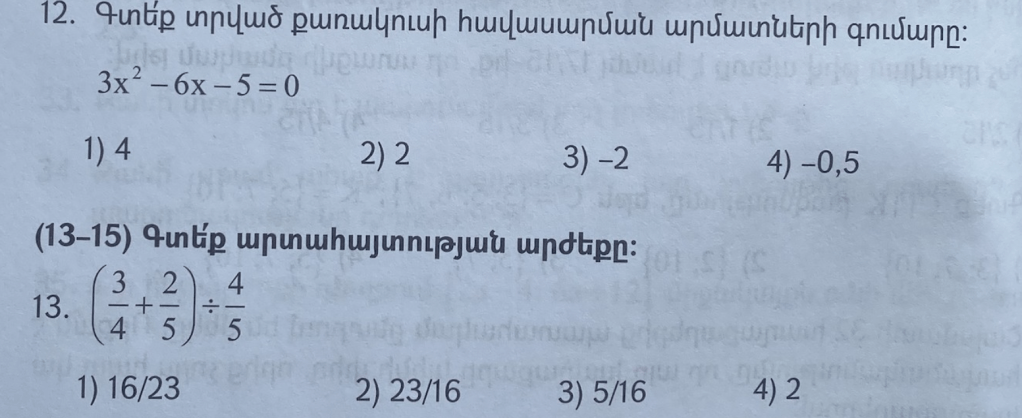
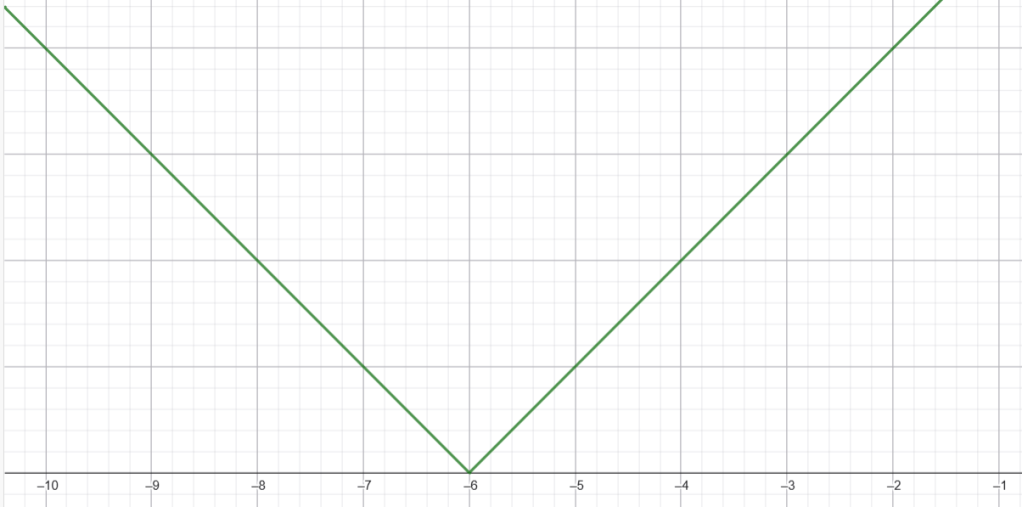
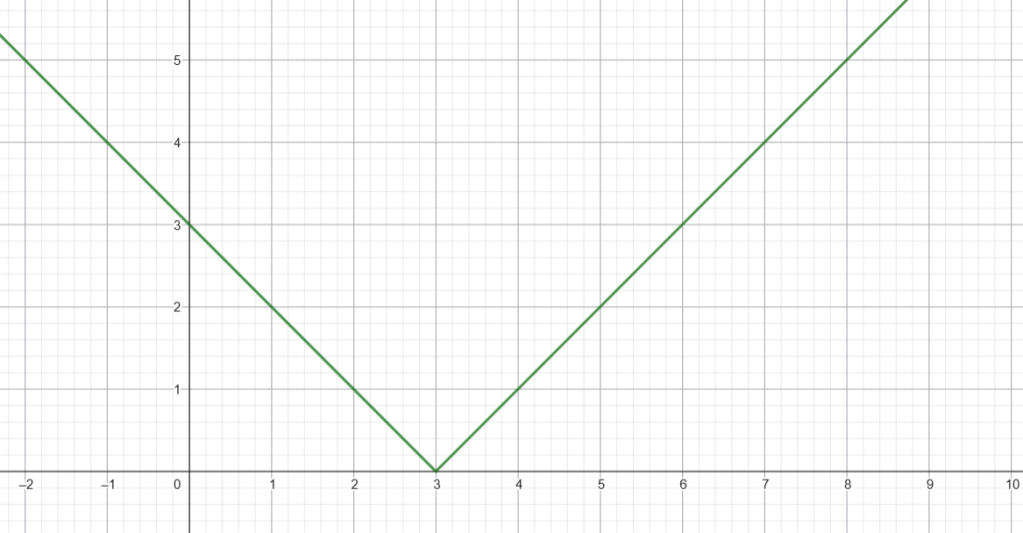
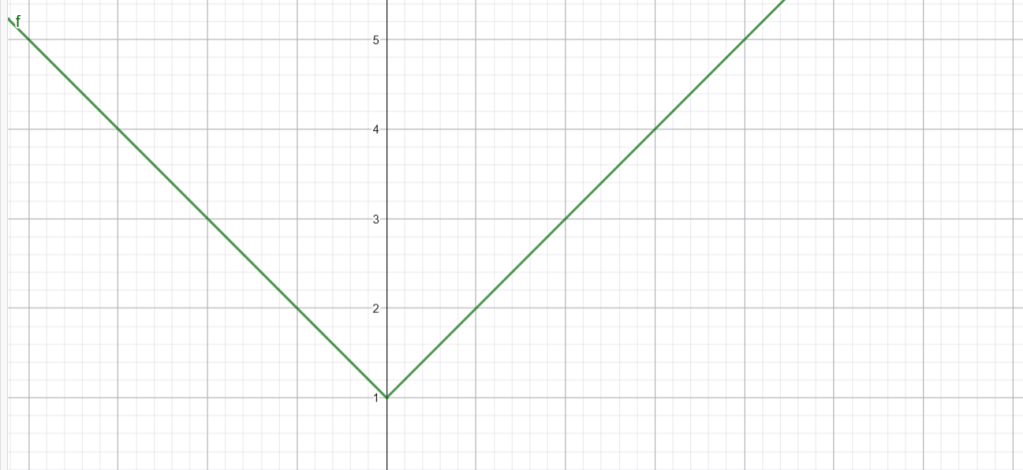
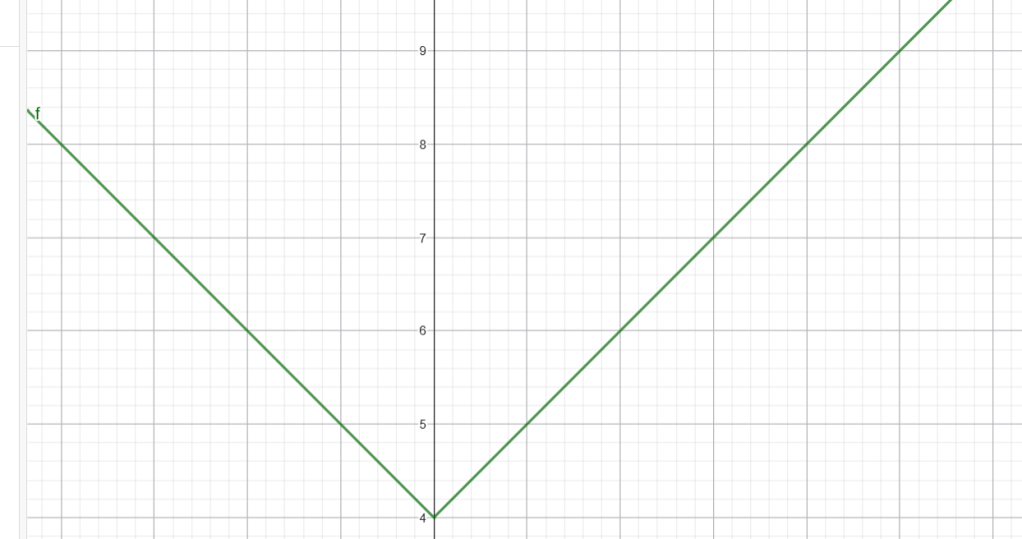
Հանրահաշիվ

Ա 127
Բ -3280
Գ 15
Դ 728
English test
English Test – Grade 9
Part 1: Vocabulary (10 points)
A. Match the words to their definitions (1–5).
1.Reluctant — B
2.Significant — D
3.Consider — C
4.Embrace — E
5.Interpret — А
a. To understand and explain the meaning of something
b. Unwilling or hesitant
c. To think about something carefully
d. Important or meaningful
e. To accept something willingly
B. Choose the correct option (6–10).
- The teacher asked us to give a _ summary of the story. a) brief b) empty c) loud
1.My friend and I had a _ about which movie to watch.
a) conversation b) nation c) comparison
2.The weather today is very ; it keeps changing every hour. a) stable b) unpredictable c) boring
3.The scientist made an important in her research.
a) discovery b) decoration c) delivery
4.Please __ your homework before you submit it.
a) ignore b) review c) erase
Part 2: Grammar (10 points)
A. Choose the correct verb tense (11–13). - She __ (has studied / studied) English for five years.
- When I arrived, they __ (were playing / played) basketball.
- If it rains tomorrow, we __ (will stay / stayed) at home.
- “I can help you later,” she said.
→ the teacher told us to don’t touch to it.
1.“Don’t touch that,” the teacher told us.
C. Combine the sentences using a relative clause (16–17). - The girl is my cousin. She won the competition.
→ my cousin is the girl who won the competition.
1.I lost the book. You gave it to me.
→ the book you gave me is lost.
Part 3: Reading Comprehension (10 points)
Read the passage and answer questions 18–20.
Passage (original text):
Last summer, Anna joined a volunteer program in her city. Every weekend, she and other teenagers cleaned local parks, planted trees, and helped organize community events. Anna enjoyed working with people who cared about the environment as much as she did. She says the experience taught her responsibility and teamwork, and she plans to participate again this year.
Answer the questions: - What activities did Anna do in the volunteer program? Every weekend they cleaned local parks, planted trees and helped organize community events.
- Why did Anna enjoy the experience? Anna enjoyed working with people who care about the environment as much as she did.
- What did she learn from participating? She learnt that experience, teamwork and responsibility.
Part 4: Writing (10 points)
Write a short paragraph (6–8 sentences) on one of the following topics:
A. Describe your favorite place in your city and explain why you like it.
B. Explain how technology has changed the way students learn.
My favorite place in my city is the republic square. I like it because of the vibes of being there, from tourists, travelers etc. I were going there usually when I was like 5 years old. Now sometimes I go there to ride electro scooter, or just walk and enjoy.
English
Do we live to work or work to live?
Working is an important part of living for everyone, to work you need to study and have knowledge. For me personally I think that we work to live, as a teen it’s easier because you need to study for then working, but after you’re smart and mature enough you have to work. There are many reasons to work but the most important ones in my opinion are — 1) Living. To live a proper and healthy life we need food, clothes, water, electricity for heating etc. and more. To get all that we need money, and to get money we have to work. If we don’t work money will eventually run out if you are not provided by anyone and soon or never clothes will be dirty and incapable of wearing. Food and water will run out, without water humans can last barely 3 days. No work leads to no money which leads to death unless you have providing or source of money that you get off without any works which I highly doubt. Especially if you have no close people, job is a must for living.
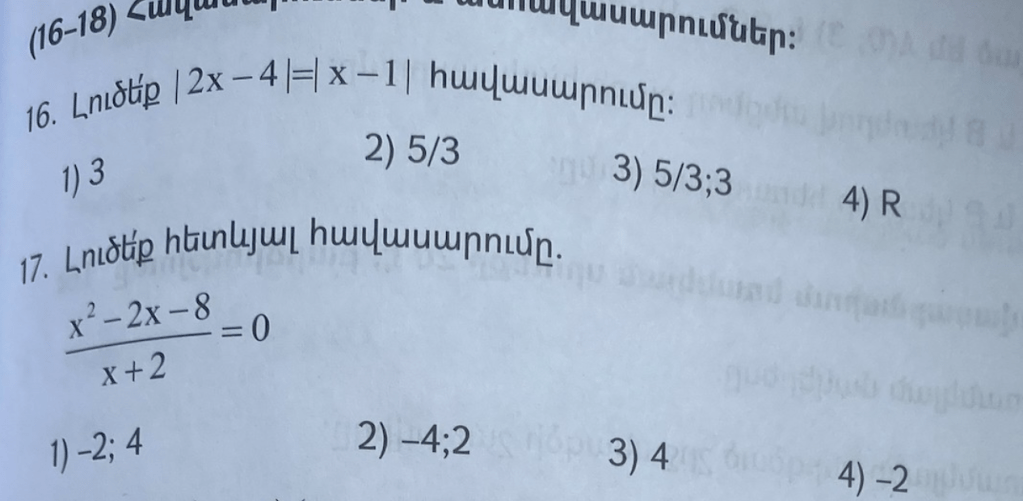
Հանրահաշիվ 9

Ա 4,
Բ 0.1
Գ -1,
Դ 1.5
Ե 1/2
Զ 1/2
Է 0.(3)
Ը -3

Ա 10
Բ 15
Գ 8
Դ 27
Ե -54
Զ -192
Է 0.0001
Ը -1
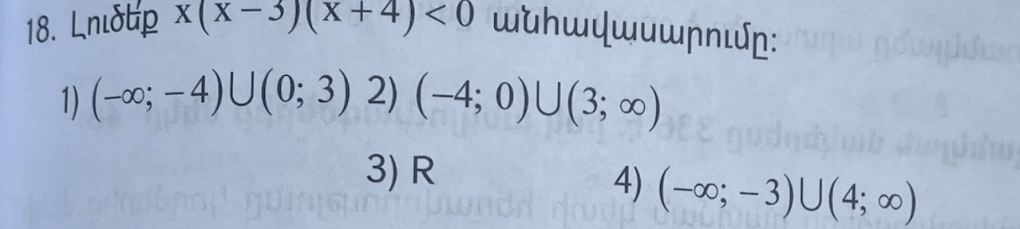
Հանրահաշիվ

Ա x=11, y=14
Բ x=9, y=13
Գ x=6, y=11
Դ 5,20

14

Ա x=9, y=18
Բ x=9, y=6
Գ x=8.5, y=2.5
Դ x=5, y=3

Ա 8
Բ 11
Գ 22
Դ 10600
Գուրգեն Մահարի և գաղթականություն ինտեգրված էսսե
Հայ գրականության մեջ գաղթականության թեման առանձնահատուկ տեղ ունի, քանի որ հայ ժողովրդի պատմությունը հաճախ կապված է եղել հայրենիքի կորուստի, տեղահանության և նոր կյանքի դժվարությունների հետ։ Այս թեմային անդրադարձած նշանավոր գրողներից է Գուրգեն Մահարի-ը, որի ստեղծագործություններում արտացոլվում են ժողովրդի ցավը, հիշողությունները և ապրումները։
Գաղթականությունը մարդու համար ոչ միայն բնակավայրի փոփոխություն է, այլ նաև հոգեկան ծանր փորձություն։ Գաղթականը ստիպված է լքել իր տունը, հարազատ միջավայրը և հաճախ նաև իր անցյալի մի մասը։ Մահարու ստեղծագործություններում այս ցավը ներկայացվում է խոր հուզականությամբ․ նա նկարագրում է մարդկանց, որոնք կորցրել են իրենց հայրենի հողը, բայց շարունակում են ապրել հիշողություններով և հույսով։
Ցեղասպանության հետևանքով գաղթական դարձած հայությունը հայտնվեց չափազանց ծանր պայմաններում։ Հայոց ցեղասպանության ժամանակ հազարավոր մարդիկ կորցրեցին իրենց ընտանիքները, ունեցվածքը և հայրենի բնակավայրերը։ Նրանք ստիպված էին երկար ճանապարհներ անցնել՝ հաճախ սովի, հիվանդությունների և անապահովության պայմաններում։ Շատերը ապաստան գտան օտար երկրներում կամ գաղթավայրերում, որտեղ ստիպված էին սկսել նոր կյանք գրեթե ոչինչ չունենալով։
Մահարու գրականության մեջ գաղթականը հաճախ պատկերվում է որպես տառապած, բայց ուժեղ մարդ, որը փորձում է պահպանել իր լեզուն, մշակույթը և ազգային ինքնությունը նույնիսկ օտար միջավայրում։ Գրողը ցույց է տալիս, որ գաղթականությունը կարող է բերել մեծ դժվարություններ, սակայն մարդը կարող է հաղթահարել դրանք իր հավատով և աշխատասիրությամբ։
Այսպիսով, Գուրգեն Մահարի-ի ստեղծագործությունները կարևոր նշանակություն ունեն, քանի որ դրանք ոչ միայն պատմում են գաղթականության ցավի մասին, այլ նաև հիշեցնում են ազգային ինքնության պահպանման և մարդկային տոկունության արժեքը։
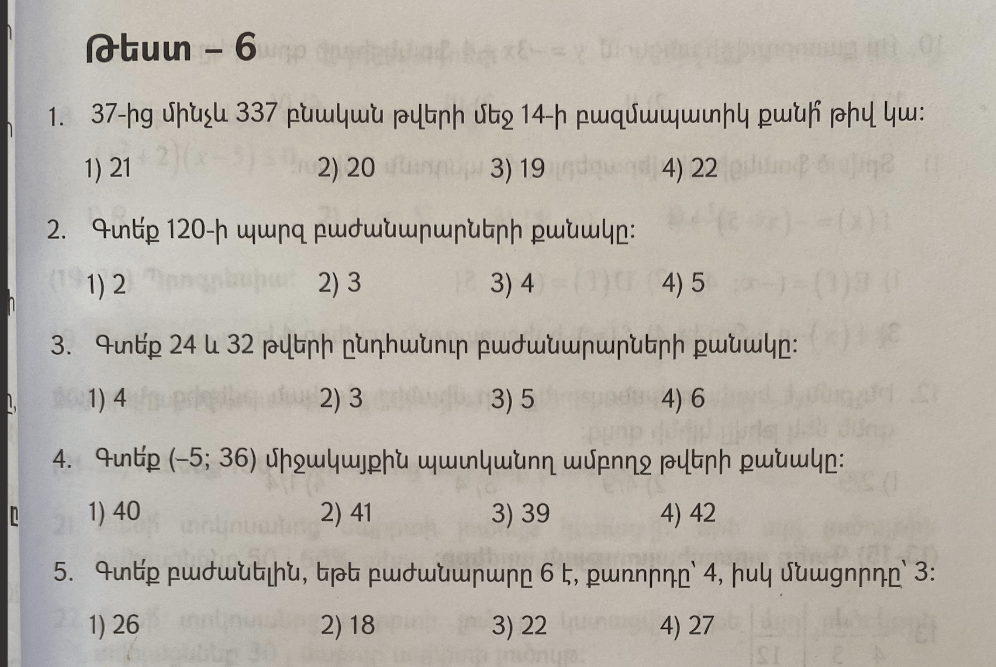
Հանրահաշիվ

Ա 2
Բ -1
Գ 4
Դ -3
Ե 0.5
Զ -1.3
Է √3
Ը -√5

Ա a1=2 d=5
a2=a1+d=7
a3=a2+d=12
a4=a3+d=17
Բ a1=9, d=-3
a2=a1-d=6
a3=a2-d=3
a4=a3-d=0
Գ a2=-2, d=1.5
a1=a2-d=-0.5
a3=a2-d=-3.5
a4=a3+d=1
Դ a3=-7, d=-3.5
a2=a3-d=-10.5
a1=a2-d=-14
a4=a3-d=-17.5